A Northern Lights winter holiday combines two of the Arctic’s biggest draws: the chance to see the Aurora Borealis and the extraordinary landscapes of the far north beneath deep winter snow.
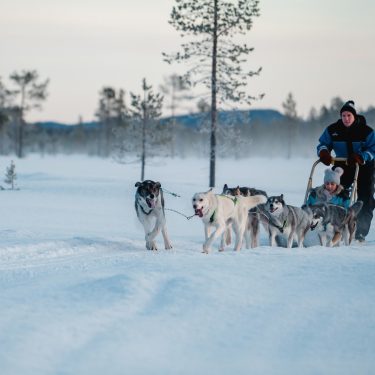
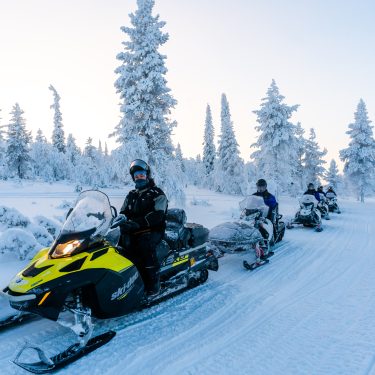
Travel to Finland, Norway, Sweden or Iceland from early December to mid-April, and winter becomes part of the adventure. Days can be spent dog sledding, snowmobiling, snowshoeing or exploring frozen landscapes, while evenings are dedicated to searching the dark Arctic skies for the Northern Lights
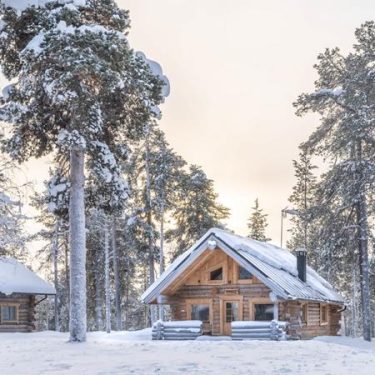
Our winter holidays are designed by Aurora specialists and take you to locations chosen not simply for their scenery, but for their Northern Lights potential. From remote wilderness hotels and glass-roofed cabins in Finnish Lapland to the mountains and fjords of Northern Norway and the snowy landscapes of Swedish Lapland, there are winter trips for everything from a short Aurora escape to a full week of Arctic adventure.
 |
 |
 |
 |

Some of Europe’s best-known Northern Lights destinations lie across Northern Scandinavia, where winter brings snow-covered landscapes, long nights and a huge variety of ways to experience the Arctic.
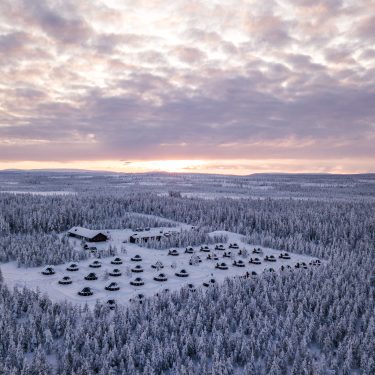
For classic snowy Lapland, Northern Lights holidays in Finland are hard to beat. Stay in remote wilderness hotels, search for the Aurora by snowmobile or snowshoe, try husky sledding and, on selected trips, spend a night beneath a glass roof in an Aurora Cabin.


Choose a Northern Lights holiday in Norway for dramatic Arctic scenery alongside your Aurora hunt. From Tromsø and the Lyngen Alps to remote islands and Svalbard, Norway combines dark winter skies with fjords, mountains and coastal landscapes.
Image credit: Ole C Salomonsen
Our Northern Lights holidays in Sweden take you into Swedish Lapland, with destinations including Abisko, Kiruna and Luleå. Expect snowy wilderness, Sámi culture, Arctic activities and the chance to combine your Aurora adventure with a stay at the famous ICEHOTEL®.
Image credit: Asaf Kliger and ICEHOTEL


Our Northern Lights holidays in Iceland combine Aurora hunting with some of the country’s most dramatic winter landscapes. Explore Reykjavík, the Golden Circle and Iceland’s South Shore, with frozen waterfalls, glaciers, volcanic scenery and dark winter skies all part of the experience.
Winter is about far more than simply waiting for the Aurora to appear.
Snow transforms the Arctic landscape and opens up experiences that are impossible at other times of year. You might cross a frozen lake behind a team of huskies, travel through forests by snowmobile, meet reindeer, try snowshoeing beneath the stars or simply enjoy the extraordinary silence of the wilderness.
Then, when darkness falls, attention turns upwards.
We can never guarantee a Northern Lights display – they are a natural phenomenon – but choosing the right location, spending several nights in the Aurora Zone and including dedicated Northern Lights activities can all give you more opportunities to see them.
If seeing the Aurora is the priority, you can also explore our full collection of Northern Lights holidays.
The main winter season stretches across the darkest and snowiest months of the Arctic year, with holidays available throughout winter and into early spring. The best month depends on the kind of trip you want: deep winter offers long nights and classic snowy scenery, while later winter brings increasing daylight alongside excellent Arctic conditions.
Finland, Norway and Sweden all offer excellent winter Northern Lights experiences, but they feel very different. Finnish Lapland is ideal for wilderness hotels, Aurora Cabins and snowy activities; Northern Norway offers mountains, fjords and coastal scenery; while Swedish Lapland combines remote landscapes with destinations such as Abisko and the ICEHOTEL®.
No. Darkness is required to see the Aurora clearly, so Northern Lights hunts take place after nightfall. Arctic winter days are instead filled with activities such as husky sledding, snowmobiling, reindeer experiences, and exploring the snowy landscape. The only exception to this rule is Svalbard, where, due to its latitude at 78° N, the Polar Night from mid November to mid-February means that the 24-hour darkness means the Aurora can be seen at any time!
Yes. Many winter holidays include festive, child-friendly activities that work brilliantly for younger families, although minimum ages can apply to certain experiences.
These trips are also well suited to older children, teenagers, and multi-generational groups, with a wider range of winter activities and Aurora viewing opportunities.